Chatbots vs AI Agents: Understanding the Key Differences
Not all conversational AI is created equal. Learn what separates basic chatbots from intelligent AI agents.
Marcus Johnson
December 25, 2024
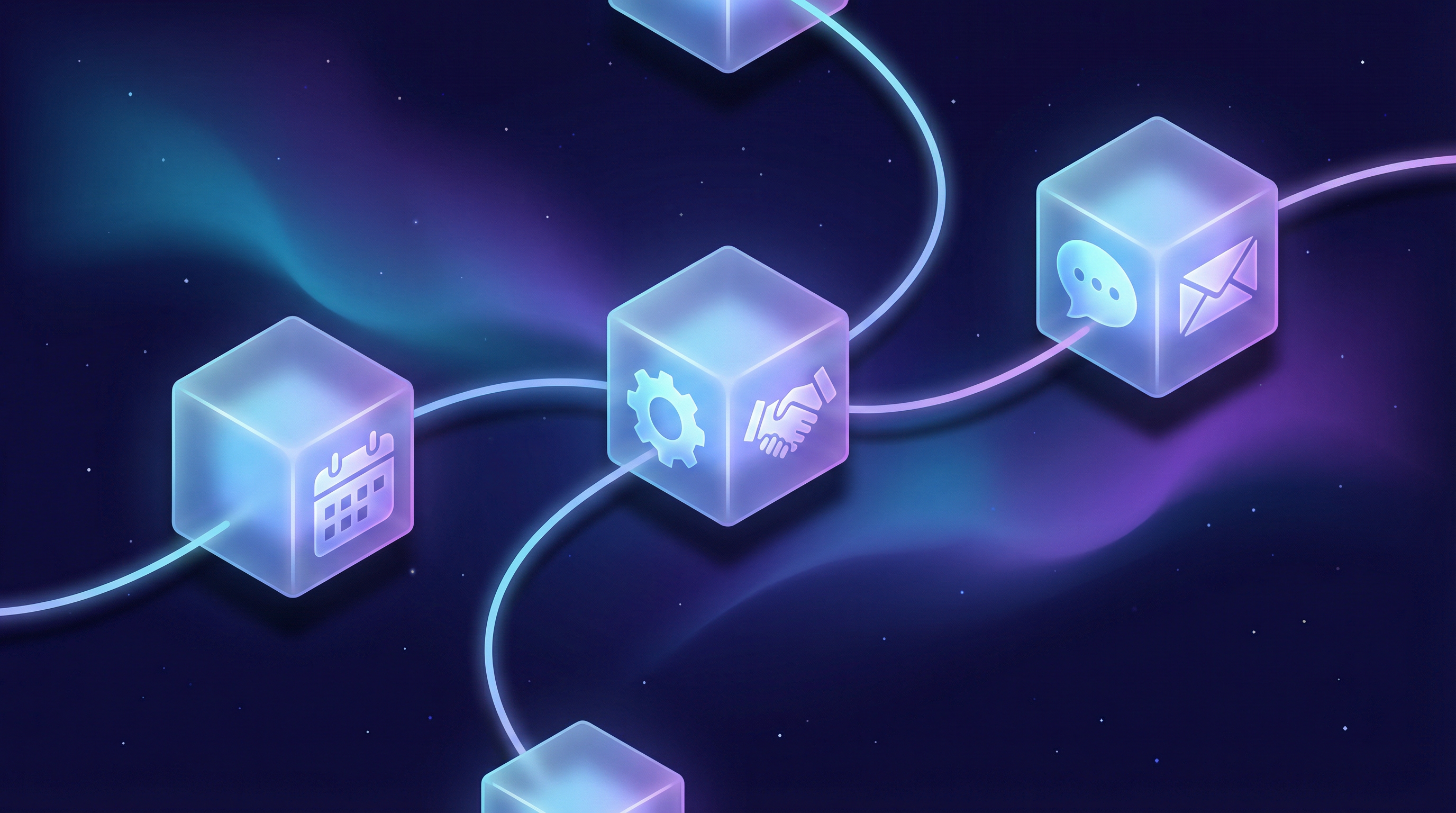
Chatbots vs AI Agents: Understanding the Key Differences
When businesses consider implementing conversational AI, they often conflate chatbots with AI agents. While both technologies facilitate automated conversations, their capabilities differ significantly.
Traditional Chatbots
Chatbots typically operate on rule-based systems:
- Follow predetermined scripts and decision trees
- Limited to specific keywords and phrases
- Cannot handle complex or unexpected queries
- Require extensive manual programming for each scenario
- Break down when users deviate from expected inputs
AI Agents: The Next Evolution
AI agents represent a quantum leap in capability:
- Contextual Understanding: Grasp nuance, intent, and context across multi-turn conversations
- Learning Ability: Improve from every interaction through feedback loops
- Business Integration: Connect with CRMs, calendars, payment systems, and other tools
- Goal-Oriented: Designed to achieve specific business outcomes, not just respond
A Practical Example
Imagine a potential customer asks: "I'm looking for something like what you offered my colleague last month, but for a smaller team."
A chatbot would likely respond with a generic menu or fail to understand the request entirely.
An AI agent would understand the context, look up the colleague's account (if integrated with CRM), identify the relevant product, and suggest an appropriate alternative for a smaller team — all in one seamless interaction.
Making the Right Choice
For simple FAQ handling, a basic chatbot might suffice. But for lead qualification, sales support, and customer success, AI agents deliver measurably better results. The ROI difference is substantial: businesses using AI agents report 3-5x higher conversion rates compared to traditional chatbots.
Written by
Marcus Johnson
Technology analyst and writer covering the intersection of AI and business operations.